




Green energy innovators at Milton Park
A fast-growing group of green energy innovators is making significant progress at Milton Park with our unique collaborative environment, revolutionising how power is generated, stored and used more sustainably.
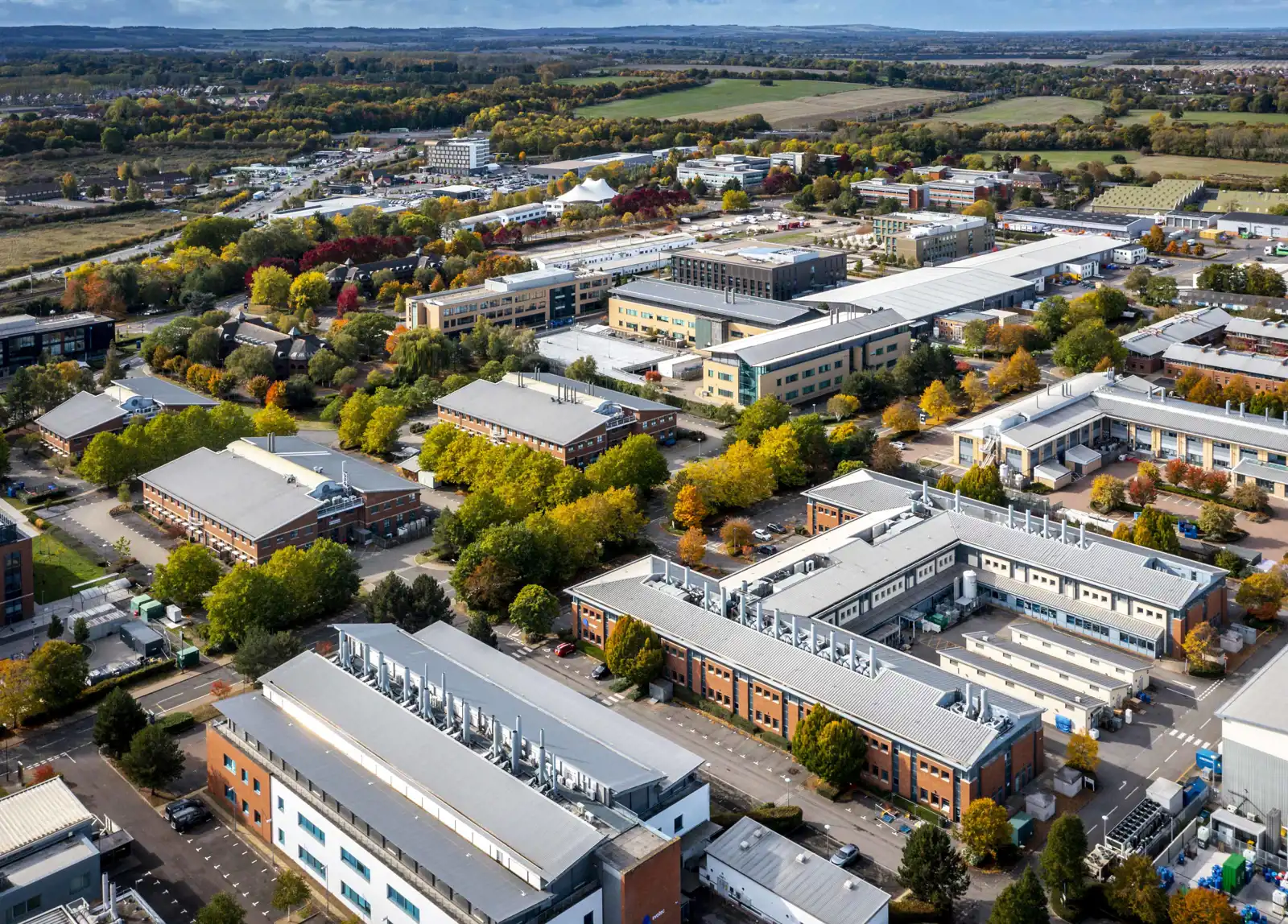
As the UK’s largest single ownership innovation community, our Park attracts a wide variety of green companies – from batteries and hydrogen specialists, through to fusion and nuclear engineers – all benefitting from close proximity to like minded innovators.
Here, we take a look at the work the Milton Park community is inspiring to help drive the UK towards a greener future.
Brilliant batteries: Agratas and Nexeon
Since moving to the Oxfordshire-based Park in 2010, Nexeon has been scaling up its pioneering silicon-anode technology, an approach that delivers more cost-effective, efficient and longer-lasting batteries than conventional graphite-based alternatives.
A more recent addition to the Park’s growing number of battery-tech companies is Agratas, Tata Group’s global battery business, which moved here in late 2024. The company is developing next-generation battery technologies for cleaner vehicles and energy storage.
Innovators like Agratas and Nexeon are putting Milton Park and the UK on the map when it comes to pushing technological boundaries. By extending battery range and reducing charging times, their respective technologies can have a monumental impact on the future of the EV industry and mainstream adoption.
Fusion and superconducting magnets: Tokamak Energy
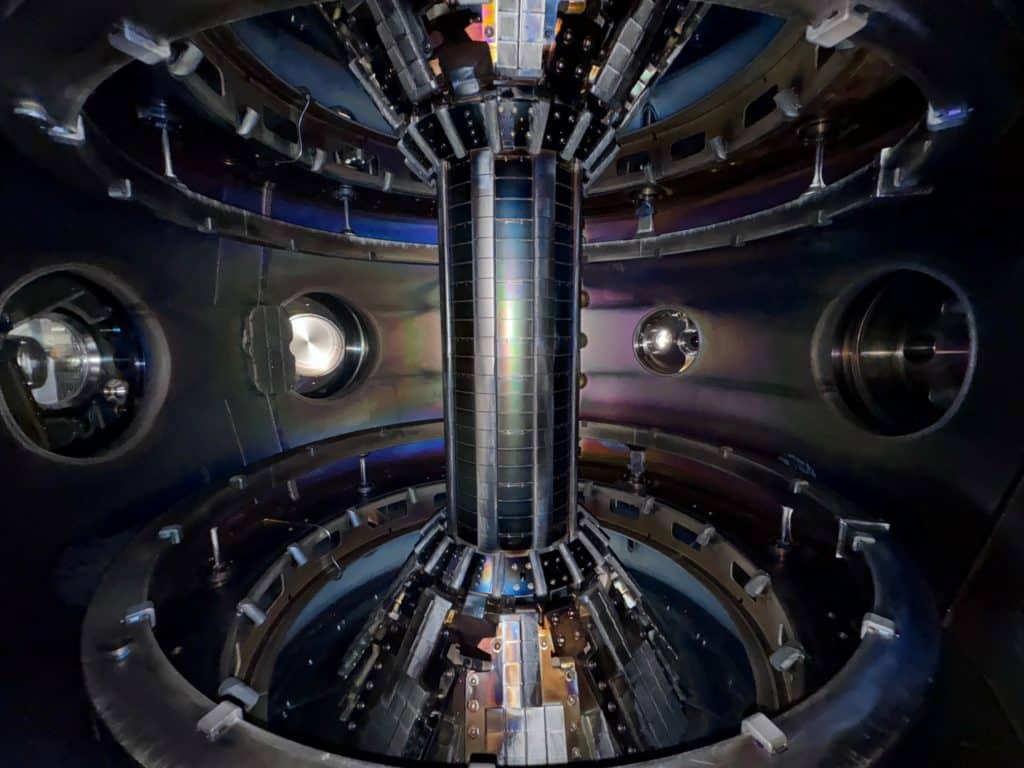
Fusion pioneer Tokamak Energy operates a spherical tokamak machine at Milton Park. Achieving temperatures six times hotter than the sun, its technology could one day lead to abundant, secure and clean energy. Last year, Tokamak Energy even capturedfusion in the first-ever colour video inside its tokamak.
Its spinout company, TE Magnetics/a>, is also pushing boundaries through the use of high-temperature superconducting magnets, which are critical to making fusion commercially viable.
With the Government investing over £2.5 billion to become a global leader in the race to fusion, its future impact on all industries and society cannot be understated.
Thanks to the strength of Milton Park’s ecosystem, LTi Metaltech, a local expert in precision engineering, manufactured the high-integrity vacuum vessel for the ST40, proving that the hardware for the future of energy is being built right here.
Green hydrogen innovators: Electrogenos
Green hydrogen, which uses renewable electricity sources to split water through electrolysis, is expected to play a significant role in decarbonising industry, transport and energy storage globally.
Electrogenos is reengineering the production of green hydrogen to cut costs and improve efficiencies. The team is on a mission to make green hydrogen scalable, accessible and commercially viable. Since joining Milton Park in 2022, the company has developed a novel electrolyser catalyst that removes reliance on precious metals. The impact of this technology is substantial. By reducing production costs to below £2 per kilogram of hydrogen, its application in industries looking to decarbonise processes is now more realistic than ever before.
Nuclear innovation and advanced engineering: NUVIA
NUVIA brings specialist nuclear and advanced engineering capability to Milton Park, supporting the role of nuclear power as a clean, reliable and low‑carbon energy source within the UK’s evolving energy mix. With one of its UK offices based at the Park, NUVIA contributes to projects that help deliver safe, efficient energy today while preparing the sector for future generations.
Alongside involvement in nuclear innovation and next‑generation technologies, NUVIA is also a key player in decommissioning and waste management, helping reduce environmental impact across the full lifecycle of nuclear facilities.
Playing our own part
These occupiers are certainly leading by example. However, Milton Park is playing its own part, too. Our Park’s commitment to low carbon infrastructure can be seen in the recently completed Nebula R&D workspaces, which replace traditional steel with a glulam timber frame. As a result, the project saved 686 tonnes of embodied carbon.
This focus on efficiency is also seen in the OKA building which achieved an A+ energy rating through the installation of extensive rooftop solar panels. This philosophy of circularity extends to the Signal Yard amenity hub (the redevelopment of the former Park Centre) where existing buildings have been creatively repurposed and upgraded for high energy performance.
Furthermore, the Park has invested £7 million in grid capacity for EV charging and is committed to supporting the adoption and use of green transport methods.
All these steps ensure that Milton Park is providing a genuine blueprint for the sustainable innovation communities of the future.
A collaborative approach to cleaner growth
The green innovations flourishing at Milton Park are helping to build a resilient and carbon negative future for the UK. Our occupiers, working across a range of innovative sectors and technologies, go beyond simply addressing the rising demand of the grid – they are re-engineering energy for the future.
With a unique single ownership model and ten-day simplified planning, our Oxfordshire-based Park provides the agility needed to move from theory to prototype at record speed. Whether it’s inspiring cleaner growth or developing green technology, our physical and collaborative space provides the perfect testbed for innovators to scale their impact and power a cleaner world for generations to come.
Image credit: Tokamak Energy

Sign up to our newsletter
Subscribe